Sunflower Watercolor Clipart: Hand-Painted Floral Assets
You know that feeling when you stumble upon a design element that just works? It's not trying too hard. It doesn't scream for attention. It simply belongs—whether on a wedding invitation, a product label, or a social media post that stops someone mid-scroll. That's the magic of well-crafted floral clipart, and sunflowers carry a particular warmth that few botanicals can match. They signal optimism, growth, and natural beauty without saying a single word.
Why Hand-Painted Watercolor Changes Everything
Digital design has come a long way, but there's still something irreplaceable about the organic texture of watercolor. The slight bleed of pigment at the edges. The way light seems to pass through translucent layers. These aren't imperfections—they're character. When you work with hand-painted sunflower clipart, you're importing that authenticity directly into your projects. Each petal, each leaf, each stem carries the nuance of a real brushstroke, which gives your final design a tactile quality that flat vector graphics simply can't replicate.
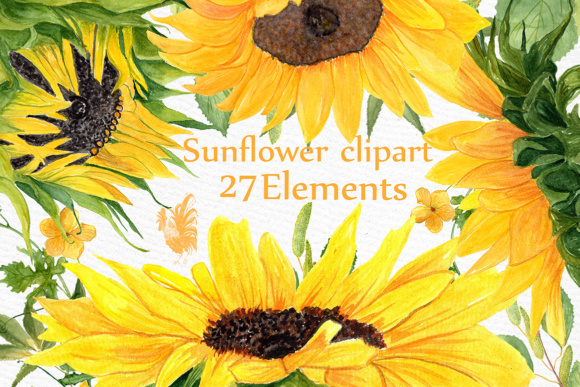
This particular collection offers 27 separate elements, each saved as high-resolution PNG files at 300 dpi. The individual pieces range from approximately 7 to 10 inches, which means you have flexibility whether you're designing a small business card or scaling up for a large-format poster. Because every element comes on a transparent background, layering becomes effortless. Place a sunflower cluster behind text, tuck a single bloom into a corner, or build an elaborate floral border—the modular format lets you experiment freely without wrestling with background removal.
Real Projects, Real Applications
Let's talk about where these sunflower watercolor elements actually shine, because the possibilities stretch far beyond wedding stationery (though they're gorgeous there too).
Branding and Logo Design: If you run a farm-to-table restaurant, an organic skincare line, a florist shop, or any brand that leans into warmth and natural aesthetics, sunflower clipart can become a foundational visual element. Use a single bloom as a secondary mark. Build a pattern for packaging backgrounds. Create a cohesive look across your business cards, website headers, and thank-you cards. Consistency in your visual identity builds recognition, and having a library of separate floral pieces means you can adapt the same aesthetic across dozens of touchpoints without repetition.
Social Media and Content Creation: Instagram grids, Pinterest pins, Facebook headers, YouTube thumbnails—visual content demands variety, but it also demands cohesion. Pulling from a set of 27 hand-painted elements gives you enough range to keep your feed interesting while maintaining a recognizable style. A sunflower tucked into the corner of a quote graphic. A floral frame around a product announcement. A subtle botanical accent behind a recipe post. These small touches elevate content from generic to memorable.
Print Materials and Merchandise: Think about wedding invitations, baby shower announcements, farmers market flyers, or seasonal sale posters. Watercolor sunflowers bring an artisanal quality that resonates with audiences who value craftsmanship. For merchandise—think tote bags, mugs, greeting cards, or journals—these elements work beautifully as standalone designs or as components in larger compositions. The 300 dpi resolution ensures crisp reproduction at print scale, which matters more than people realize when they're holding the finished product in their hands.
Digital Products and Marketing Assets: If you sell planners, worksheets, or digital downloads on platforms like Etsy or Creative Market, incorporating original watercolor illustrations adds perceived value instantly. Customers notice when a product feels curated rather than assembled from the same overused stock everyone else is using. Similarly, email headers, lead magnet covers, and webinar slide decks all benefit from that hand-painted warmth.
Working with Separate Elements
One of the most practical advantages of this collection is the separate flower format. Rather than receiving a single pre-composed arrangement, you get individual blooms, buds, leaves, and stems that you can arrange, resize, rotate, and combine to suit your specific layout needs. This is particularly valuable for designers who need to work within irregular spaces or adapt compositions for different formats.
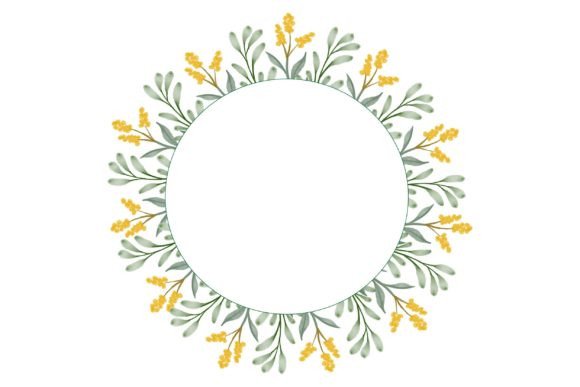
Building a wreath for a circular logo? Arrange the elements in a ring. Creating a horizontal banner? Line them up with intentional spacing. Need a single accent for the bottom corner of a business card? Pull one element and you're done. This modular approach saves time and gives you creative control that pre-made arrangements simply don't offer.
A few practical tips for working with watercolor clipart: pay attention to scale relationships when combining multiple elements. If one sunflower is noticeably larger than another, it can look unintentional unless you're creating a deliberate depth effect. Also, consider the visual weight of watercolor—the soft, translucent quality means these elements pair well with clean, modern typography. A bold sans serif font or an elegant serif typeface alongside watercolor florals creates a beautiful contrast between precision and organic flow.
Pairing with Typography and Other Design Assets
Speaking of typography, the interplay between floral illustrations and lettering deserves thoughtful consideration. Script fonts and handwritten typefaces echo the organic quality of watercolor, creating a romantic or artisanal mood. Clean sans serif fonts provide modern contrast that keeps the design from feeling overly decorative. Serif typefaces—especially those with moderate contrast and classic proportions—bridge the gap beautifully, offering sophistication alongside the natural warmth of the sunflowers.
When choosing typefaces to pair with floral clipart, test a few options before committing. Set your headline text, place a sunflower element nearby, and evaluate the overall feeling. Does the combination communicate what you intend? A rustic wedding invitation calls for different typographic choices than a wellness brand's Instagram graphic, even when both use the same sunflower illustrations. Context matters enormously.
Color coordination is another consideration worth your attention. Watercolor sunflowers typically feature warm yellows, golden ochres, earthy greens, and soft browns. Pulling accent colors from the illustrations themselves—using an eyedropper tool in your design software—ensures harmony across your entire composition. This technique works especially well for brand identity projects where you need a cohesive palette that extends beyond the floral elements into backgrounds, text colors, and graphic accents.
Licensing and Commercial Use
For designers and business owners, understanding licensing terms is non-negotiable. Before incorporating any design asset into commercial work—whether that's a client project, a product for sale, or marketing materials—confirm that the license covers your intended use. Most premium clipart collections designed for commercial use allow incorporation into end products like invitations, merchandise, and digital downloads, but restrictions vary. Some licenses prohibit redistribution of the raw files, which means you can't resell the clipart itself as a standalone asset, but you can absolutely use it within your own designs and products.
This distinction matters if you're creating templates or design resources to sell. Using licensed elements within your compositions is typically permitted; packaging the raw files for resale is not. When in doubt, review the specific license terms provided with your purchase and reach out to the creator with questions. Most independent artists and small shop owners are happy to clarify usage rights.
Making It Your Own
The beauty of working with hand-painted original artwork is that it carries a distinctiveness that stock imagery often lacks. These sunflower watercolor elements weren't generated by an algorithm or pulled from a mass-market library—they represent an artist's original work, with all the personality and imperfection that implies. That authenticity translates into your finished projects, whether you're a wedding stationer building a client's vision, a small business owner crafting your brand identity, or a content creator looking for visuals that feel genuinely yours.
Take the time to experiment. Try unexpected combinations. Layer sunflowers behind text with reduced opacity for a subtle texture. Combine them with geometric shapes for a modern botanical aesthetic. Use a single bloom as a favicon or a full arrangement as a hero image. The 27 elements in this collection provide enough variety to support serious creative exploration, and once you find combinations that resonate, you'll have a visual vocabulary that serves you across countless projects.
Good design assets don't just fill space—they communicate. Sunflowers communicate joy, resilience, and natural beauty. Hand-painted watercolor communicates artistry and care. Together, they offer something genuinely useful for anyone building visual content with intention.