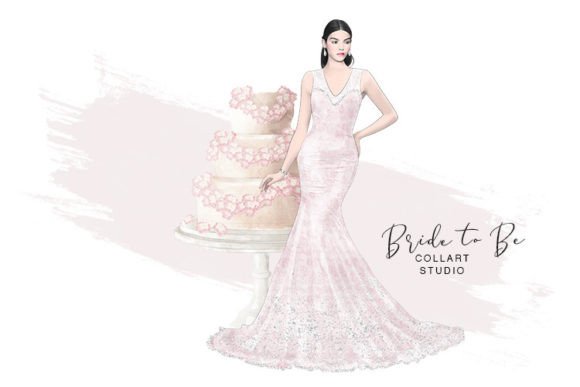
Bride to Be Clip Art: Hand-Drawn Wedding Designs for Your Projects
There's a certain magic that happens when you open a wedding invitation and see artwork that feels personal, not mass-produced. Maybe it's a delicate floral wreath or a hand-lettered flourish that makes you pause. That feeling—of something crafted with care—is exactly what you get with this Bride to Be Clip Art set from Collart Studio. These aren't generic vector shapes pulled from a database. Each piece is hand drawn and painted, making them genuinely one-of-a-kind design assets you can weave into everything from planner stickers to fabric patterns.
Why Hand-Drawn Artwork Changes Everything
We've all seen the same recycled wedding graphics a thousand times. The same champagne flutes, the same generic rings, the same templated hearts. Hand-drawn clipart breaks that cycle. When Collart Studio creates these pieces, every line carries the slight imperfections and warmth that only come from an artist's hand. The result is artwork with personality—something that feels like it belongs in a boutique stationery shop rather than a clipart factory.
For anyone working on wedding-related projects, this distinction matters more than you might think. Whether you're a small business owner designing packaging for bridal accessories, a blogger creating content for a wedding planning site, or a crafter building custom invitations for friends, the visual quality of your assets directly reflects on the finished product. Premium clipart with an authentic hand-painted aesthetic instantly elevates whatever you're making.
Practical Applications That Go Beyond the Obvious
Sure, wedding invitations are the first thing that comes to mind. But this clipart set opens doors to far more creative territory. Here's where designers, entrepreneurs, and hobbyists are putting assets like these to work:
- Planner stickers and journaling supplies – The PNG format and high resolution make these perfect for die-cut sticker sheets. If you sell on Etsy or run a stationery shop, hand-drawn wedding graphics stand out in a crowded marketplace.
- Social media graphics – Instagram posts, Pinterest pins, and Facebook headers for wedding photographers, planners, and venues all benefit from distinctive visual elements that don't look like everyone else's content.
- Web and blog design – Use them as decorative accents on a wedding blog, as part of a website's visual identity, or as featured images that catch a reader's eye in a feed.
- Scrapbooking and memory keeping – Digital scrapbookers can layer these into layouts with ease, while physical scrapbookers can print and cut them for hands-on projects.
- Patterns for paper or fabric – Repeat the clipart to create seamless patterns for wrapping paper, tote bags, table runners, or any textile project tied to a bridal shower or wedding theme.
- Decoupage and mixed media – Print onto transfer paper or specialty stock and apply to trays, boxes, frames, or other decorative objects.
- DIY signage and posters – Welcome signs, table numbers, menu boards, and ceremony programs all benefit from artwork that looks handcrafted rather than computer-generated.
The versatility here is the real selling point. You're not locked into one use case. The files arrive as two high-quality PNG images at 300 dpi, with the largest measuring approximately 3000×3000 pixels (8×8 inches). That resolution handles both print and digital work comfortably, whether you're producing a small sticker or scaling up for a poster.
Working With PNG Clipart in Your Design Process
If you're used to working with vector files, switching to hand-painted PNGs requires a small adjustment in mindset. Vectors scale infinitely; raster images have a ceiling. But at 300 dpi and 3000 pixels wide, you have plenty of room to work with. Here are a few practical tips for getting the most out of this kind of clipart:
Layer thoughtfully. Because PNGs support transparency, you can drop these pieces over any background—solid colors, photographs, patterned paper—without dealing with white boxes or awkward edges. In tools like Canva, Photoshop, Procreate, or even PowerPoint, simply place the image and let the transparency do its job.
Mind the scale. If you're designing for print, keep an eye on how large you're stretching the image. At its native size and resolution, it'll look crisp. Push it much beyond that, and you'll start to see pixelation. For digital use—social media, web banners, blog graphics—you have even more flexibility since screen resolution requirements are lower.
Color coordination matters. Hand-drawn and hand-painted artwork comes with its own color palette baked in. Before committing to a design, consider whether the colors in the clipart align with your project's overall palette. If you're building a brand identity around these assets, pull complementary colors from the artwork itself to maintain visual consistency across invitations, social media graphics, and printed materials.
Building a Cohesive Visual Identity for Wedding Brands
For small business owners in the wedding industry—planners, photographers, florists, stationers, bakers—visual branding is everything. Your clients are making one of the most photographed and emotionally significant purchases of their lives. They expect a level of polish and beauty that matches the occasion.
Using distinctive hand-drawn clipart as part of your brand identity toolkit gives you a visual shorthand that feels curated and intentional. Instead of relying on the same stock graphics every other wedding vendor uses, you can build a library of assets that are recognizably yours. Place them on your website headers, weave them into your email marketing templates, feature them on your business cards and thank-you notes. Over time, those visual elements become associated with your brand, reinforcing recognition and trust.
This approach also works well for content creators and bloggers covering the wedding space. Consistent visual elements across blog posts, Pinterest graphics, and downloadable resources create a professional presentation that keeps readers coming back. It signals that you've invested care into your work—the same kind of care your audience is putting into their wedding planning.
Commercial Use and Licensing Considerations
One detail worth paying attention to with any design asset is the licensing. Before you incorporate clipart into products you plan to sell—whether that's printed invitations, digital downloads, or merchandise—make sure you understand what the license permits. Most premium clipart from independent studios like Collart Studio comes with terms that allow commercial use, but specifics can vary. Some licenses allow unlimited sales of finished products; others may require attribution or limit the number of units you can produce.
Read the fine print. If you're planning to sell printable sticker sheets on Etsy, use the clipart in client work as a freelance designer, or incorporate it into a product line for your own shop, confirm that the license covers those uses. It's a small step that protects both you and the artist who created the work.
Making the Most of Original Artwork
There's a reason hand-drawn and hand-painted design assets carry more weight than their digitally generated counterparts. They carry the trace of a human hand—a quality that resonates emotionally, especially in the context of weddings and celebrations. When you use Bride to Be Clip Art from Collart Studio, you're not just decorating a project. You're adding a layer of authenticity that people notice, even if they can't articulate exactly why it feels different.
Whether you're a hobbyist making a bridal shower card for your best friend or a professional designer building a full stationery suite for a client, starting with original artwork changes the conversation. Your finished pieces carry more character. Your brand feels more considered. And the people who receive your invitations, see your social posts, or open your packaging sense that something about it is a cut above the ordinary.
That's the real value of investing in quality design assets. Not just the technical specs—the dpi, the pixel dimensions, the file format—but the creative foundation they provide. With the right clipart in your toolkit, you spend less time searching for generic graphics and more time actually making things that matter.