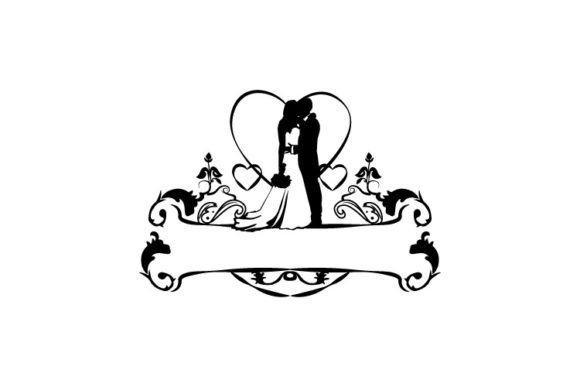
Ornate Decorative Frames: A Vintage Wedding Design Essential
There’s something undeniably magnetic about a design that feels both timeless and personal. When you see an ornate decorative frame in a vintage wedding context, it doesn’t just border an image—it tells a story. It whispers of handwritten letters, heirloom lace, and celebrations where every detail was crafted with care. For designers, entrepreneurs, and creators, this style of visual element is more than just a pretty asset; it’s a versatile tool that can elevate a brand’s narrative, add sophistication to marketing materials, and connect with audiences on an emotional level.
The Visual Allure of Vintage Typography and Frame Design
What makes an ornate decorative frame so visually compelling? It’s the marriage of intricate detail and balanced composition. Think of delicate filigree, flourished corners, and subtle asymmetry that mimics the hand of an artist from a bygone era. This design language evokes nostalgia, elegance, and authenticity—qualities that resonate deeply in industries like wedding planning, boutique retail, artisanal goods, and lifestyle branding. The vintage wedding aesthetic, in particular, leans on these frames to convey romance, timelessness, and attention to craftsmanship.
A well-designed ornate frame isn’t just decorative; it’s functional. It creates a focal point, guides the viewer’s eye, and provides a structured yet flexible container for text, monograms, or imagery. When paired with the right typeface—whether a refined serif, a graceful script, or a clean sans-serif for contrast—it becomes a foundational element of visual identity. The key is that it feels intentional, not cluttered. The best designs use negative space wisely, ensuring the frame enhances rather than overwhelms the content it holds.
Practical Applications Across Creative and Commercial Projects
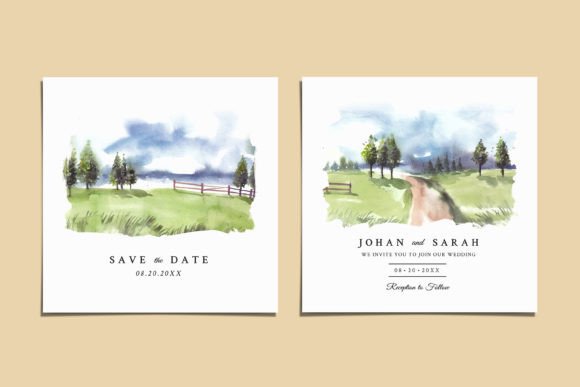
The true value of an ornate decorative frame lies in its adaptability. For a small business owner developing a brand identity, incorporating such a frame into a logo or packaging design can immediately communicate luxury, heritage, or artisanal quality. Imagine a skincare brand using a delicate border around its product label—it suggests care, purity, and a story worth telling. For a wedding planner, these frames are perfect for stationery suites, from save-the-dates to thank-you cards, creating a cohesive and memorable experience for clients.
Content creators and marketers can leverage this style to stand out in crowded digital spaces. Social media graphics featuring an ornate frame around a quote, announcement, or product feature tend to stop the scroll. They add a layer of polish and professionalism that generic templates lack. On websites and blogs, these frames can highlight testimonials, special offers, or key messages, improving visual hierarchy and user engagement. Even in editorial layouts or digital products like e-books and online courses, a subtle decorative border can enhance perceived value and readability.
For those selling merchandise or printables, this design element is a commercial asset. Think of art prints, postcards, or planners that use vintage-inspired frames to attract a niche audience appreciative of classic aesthetics. The availability of such designs in multiple formats—like EPS for scalability, JPG for ease of use, SVG for web flexibility, and transparent PNG for layering—ensures they can be integrated seamlessly into both digital and print workflows.
Enhancing Brand Consistency and Audience Connection
Consistency is the backbone of strong branding, and a distinctive visual element like an ornate frame can become a recognizable signature. When used across all touchpoints—from your website header to your business card, from your Instagram stories to your email newsletters—it creates a unified look that builds brand recall. Customers begin to associate that elegant frame with your business’s values: perhaps quality, tradition, or creativity.
Moreover, this style of design fosters emotional engagement. In a world saturated with minimalist and flat design, a touch of vintage ornamentation feels personal and human. It can evoke trust and warmth, which is particularly effective for brands targeting audiences seeking authenticity—think handmade goods, boutique services, or experience-based businesses. The frame becomes part of your brand’s voice, speaking without words to your ideal customer.
Making Smart Typography and Design Choices
Integrating an ornate decorative frame into your projects requires thoughtful typography and design pairing. If the frame is highly detailed, balance it with a simpler, more legible typeface for body text. A classic serif font often complements the vintage feel, while a modern sans-serif can create an appealing contrast. For display text, a script font inside the frame can enhance elegance, but always test readability at different sizes—especially for digital screens.
Consider the context of use. A frame that works beautifully on a large wedding invitation might lose its detail when scaled down for a social media icon. Always review how the design renders in both color and monochrome, and check its clarity in black-and-white print scenarios. If the asset comes with multiple styles or weights, experiment with them to see which best suits your project’s mood and medium.
When using such design assets commercially, always verify the licensing terms. Most premium font and graphic resources allow for broad commercial use, but it’s prudent to ensure your intended application—whether for client work, merchandise, or digital products—is covered. This due diligence protects your business and ensures you’re respecting the creator’s work.
Ultimately, an ornate decorative frame in a vintage wedding style is more than a decorative flourish. It’s a bridge between past and present, a tool for storytelling, and a strategic asset for anyone looking to add depth, character, and professionalism to their visual communication. Whether you’re designing a brand identity, crafting social media content, or producing print materials, its timeless appeal can help you create work that resonates, endures, and stands out.