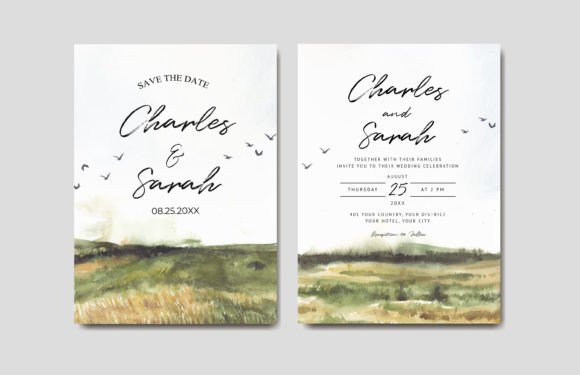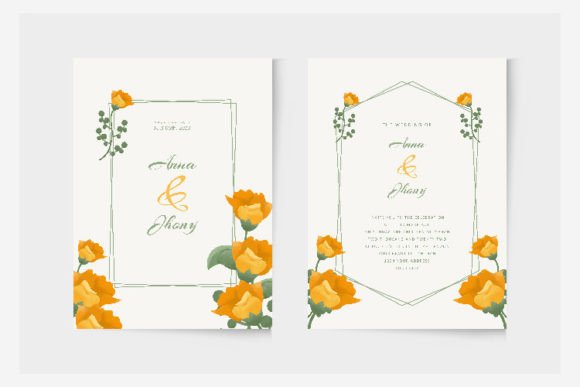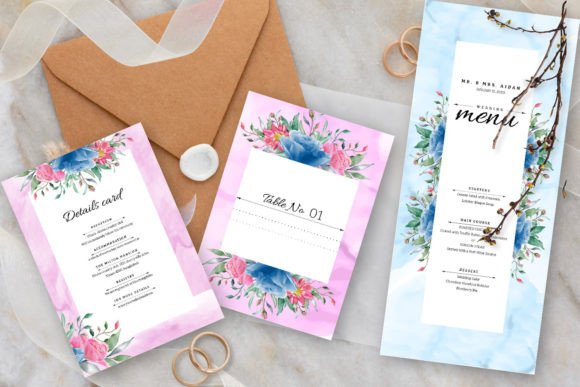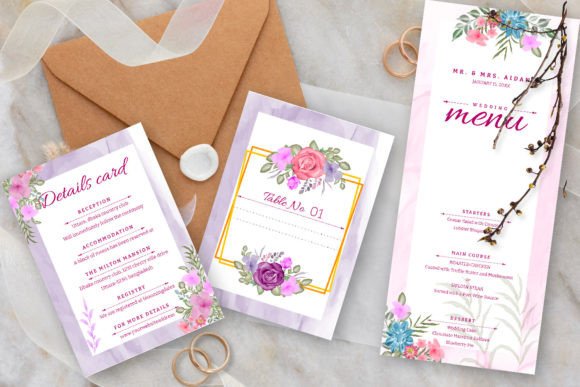
Wedding Watercolor Invitation Template: A Designer's Dream for Elegant Nuptials
There’s a certain magic that happens when watercolor meets paper. The soft bleed of pigment, the subtle texture, the organic flow—it instantly evokes emotion, romance, and a handcrafted touch that digital perfection often misses. For designers and creators tasked with capturing the essence of a couple's most important day, this magic isn't just aesthetic; it's essential. Enter the Wedding Watercolor Invitation Template, a design asset that bridges the gap between artisanal charm and modern workflow efficiency. Crafted in Adobe Illustrator, this template isn't just a static file; it's a versatile starting point built for customization, ensuring your final product feels as unique as the love story it celebrates.
Beyond the Blush and Bloom: The Visual Language of Watercolor
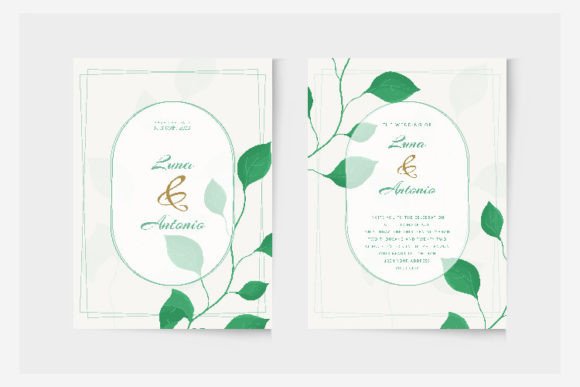
What makes a watercolor invitation so captivating? It’s the inherent imperfection and fluidity. Unlike rigid geometric designs, watercolor elements—whether a soft wash background, delicate floral illustrations, or hand-lettered typography—create a sense of warmth and personality. This template leverages that visual language masterfully. The high-quality design features carefully curated color palettes in RGB, ensuring vibrant hues that translate beautifully from screen to print. The artwork is composed with layered vectors in Illustrator, meaning every petal, every gradient, and every decorative line can be isolated, recolored, resized, or removed without losing clarity. This level of control is crucial for matching specific wedding themes, from rustic barn celebrations to elegant garden parties.
The true value lies in its adaptability. While designed as a wedding invitation, the core elements—aesthetic typography, organic illustrations, and a romantic palette—are foundational design assets for a much broader creative toolkit. Think beyond the envelope. This template’s components can be deconstructed to build a cohesive brand identity for a wedding planner, a boutique stationery shop, or a floral design studio. The watercolor florals can become the cornerstone of a logo design, the textured backgrounds can enhance social media graphics, and the elegant script font can be paired with a clean sans serif font for web design and blog headers, creating a seamless visual experience across all platforms.
Practical Alchemy: Transforming a Template into Tangible Assets
Let’s get practical. You’ve downloaded the file—a zip containing EPS, JPG, and the color specifications. The EPS file is your playground. For the graphic designer, this is where you apply your craft. Open it in Illustrator to customize every element. Change the floral arrangement to match the client’s chosen blooms. Adjust the script lettering to a different premium font from your library if the brief calls for it. The RGB color mode is perfect for digital-first projects, but for print, you’ll simply convert to CMYK, a standard step in any professional workflow.
For the small business owner or content creator without deep Illustrator expertise, the process is still accessible. The layered structure is intuitive. You can use the template as a guide to learn basic vector editing—moving elements, changing text with the Type Tool, and exporting sections for different uses. Imagine using the watercolor corner flourish as a decorative element on your packaging design for handmade soaps or candles. Extract a single floral motif to create a repeat pattern for merchandise like tote bags or notebooks. The possibilities extend into editorial design for wedding magazines or lookbooks, where the template’s aesthetic can style feature articles and photo spreads.
Ensuring Cohesion and Professional Polish
A common pitfall in design is inconsistency. Using a pre-designed template like this can actually help enforce visual consistency. By starting with a unified set of assets, you ensure that the color story, artistic style, and typographic voice remain harmonious across every deliverable. This consistency is the bedrock of strong brand recognition. A wedding stationery suite that uses the same watercolor wash on the save-the-date, invitation, RSVP card, and thank-you note presents a polished, thoughtful image that clients will remember.
When integrating this style into your projects, font pairing is key. The template likely features a beautiful script font or handwritten font for headlines. To maintain readability, especially for body text with crucial details like venue addresses and dates, pair it with a highly legible serif font or sans serif font. Test these pairings at small sizes to ensure clarity. Consider the overall mood: a flowing script paired with a modern geometric sans serif creates a lovely contrast between romance and contemporary elegance.
Licensing and Long-Term Creative Investment
Before diving into any project, especially for commercial use, always review the licensing terms. A template like this, provided for creative projects, typically comes with a license that permits use in end products for clients or for sale (like printed invitations or digital products). However, you cannot redistribute the original template file itself. This is standard for commercial font and asset licensing. Understanding this protects you and your clients.
Think of this download not as a one-time use item, but as a long-term creative investment. The watercolor elements can be repurposed for holiday cards, baby shower invitations, or boutique product labels for years to come. It’s a creative font and illustration package that saves hours of illustration time while providing a professional, high-end result. In a world saturated with generic designs, having access to such detailed, editable artwork allows you to offer clients something truly special—a design that feels bespoke and emotionally resonant, all built upon a foundation of smart, efficient tool use. The real project isn't just the invitation; it's how you leverage these assets to tell a more compelling visual story across every touchpoint.