Why a Wedding Invitation Template is Your New Secret Design Weapon
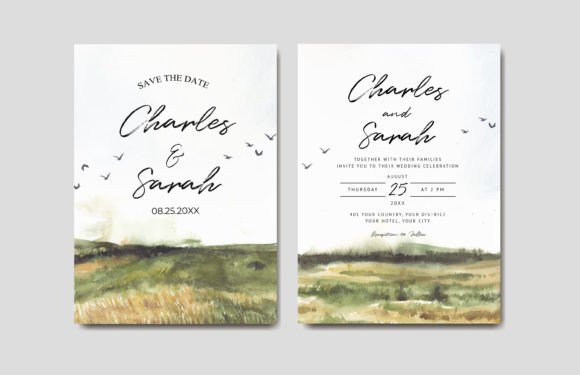
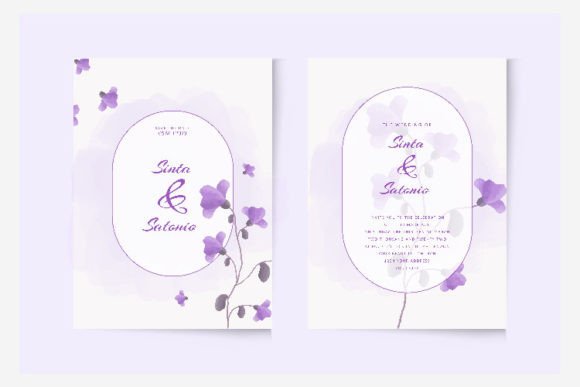
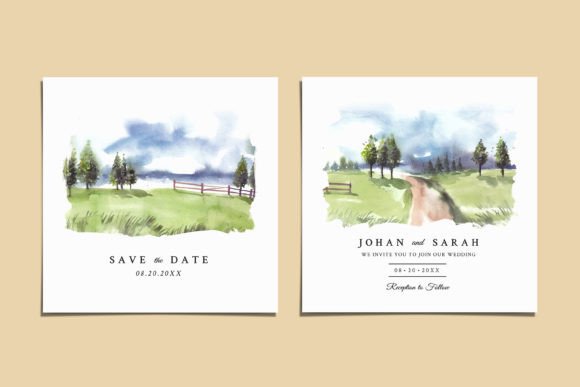
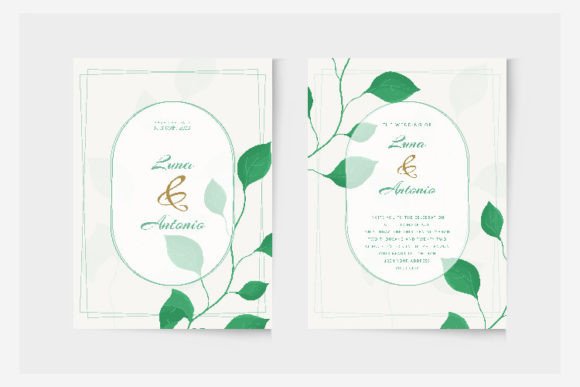
You know that feeling when you stumble upon a design asset that just clicks? It's not just a file sitting in your downloads folder—it's a launchpad. That's exactly what a well-crafted Wedding Invitation Template offers. We're talking about a versatile, high-quality design resource that goes far beyond its intended use. It's a foundational piece for your creative toolkit, perfect for elevating everything from personal craft projects to professional graphic designs, elegant cards, striking book covers, memorable logos, and eye-catching social media banners. The real magic lies in its adaptability and the professional polish it brings to any project you touch.
More Than Just an Invite: The Anatomy of a Versatile Design Asset
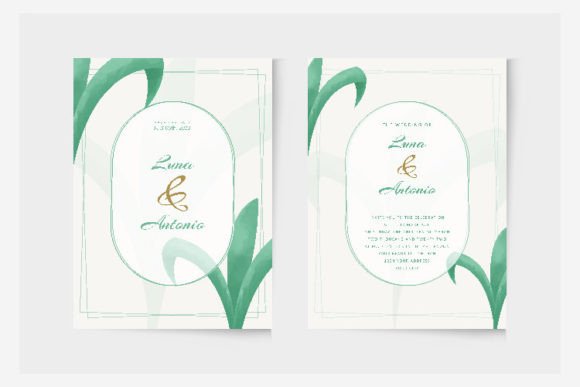
What makes a particular template stand out? It starts with the deliverables. A premium offering typically includes an EPS file for Adobe Illustrator, which gives you full vector editability—resize, recolor, and reshape elements without losing an ounce of quality. Paired with a high-resolution JPG for quick previews and the assurance of RGB color mode for digital vibrancy, you have a toolkit ready for both screen and print. The "high quality design" part is crucial. We're talking about thoughtful layouts, balanced typography, and elegant flourishes that feel intentional, not generic. This isn't clip art; it's a cohesive visual language you can adopt and adapt.
From Digital to Physical: Unlocking Real-World Applications
Let's move past the obvious. Yes, it's perfect for creating beautiful wedding stationery. But think bigger. The ornate borders, sophisticated fonts, and balanced compositions within a wedding template are a goldmine for branding. Imagine adapting those delicate floral motifs for a boutique bakery's packaging design or using the elegant script font as the hero typeface for a luxury skincare logo. The cohesive aesthetic provides instant credibility.
For the small business owner or entrepreneur, this template is a shortcut to professional marketing assets. Use the layout structure to design social media graphics that feel polished and consistent. The decorative elements can frame testimonials on your website or add a touch of class to a PDF lookbook. Content creators, think about your digital products—could the elegant borders enhance a downloadable planner or a recipe e-book? The template's components are modular; you're not locked into the original design.
The Practical Side: Making It Work for Your Brand
So, how do you actually use this without your project looking like a generic wedding site? It's all about intentional customization. First, choose the right style from the template's offerings. Does your brand personality lean towards modern minimalist or romantic vintage? Select the components that align. Then, match typography to your project goals. Swap out the script font for a clean sans-serif if readability is key for a blog header, but keep the ornate serif for a logo monogram.
Testing font pairings is non-negotiable. The included font styles are a starting point. Try pairing the elegant display font from the invitation with a simple, readable body font from your own library to create hierarchy in a brochure or website. Readability considerations are paramount—ensure any text you add remains legible at the intended size, especially for smaller print materials like business cards.
Finally, always review commercial licensing. A reputable template will come with clear terms allowing you to use the final designs for commercial purposes, like merchandise or client work. This is what separates a hobbyist resource from a professional design asset. It’s about building a sustainable, consistent brand identity, not just making a one-off pretty thing. The right wedding-inspired template, used thoughtfully, becomes a cornerstone of that visual consistency, helping your audience recognize and engage with your unique aesthetic across every touchpoint.